Creator rights
Public domain music for YouTube: what creators need to know
Using public domain music for YouTube videos seems simple. In reality, US copyright law splits music into composition and recording rights. Learn how to avoid common claims and upload confidently.

Tarun YadavPublished September 26, 2026 · 6 min read · Search intent: informational
The short answer
Public domain music for YouTube is not always safe to use. The U.S. law separates the musical composition from the sound recording. A song may be public domain, but the recording might be protected. You must verify both before uploading. Remastered classical tracks, even of old works, are often under copyright. Always check the publishing date and the recording release date to stay clear of claims.
The concept of public domain music for YouTube attracts creators who want to avoid copyright strikes. Old songs and classical pieces seem like a safe bet. However, the rules are not as clear-cut as they look. U.S. copyright law splits music into two layers: composition and recording. Each has its own timeline and traps. If you want to avoid takedowns or demonetization, you need to know how these layers work and how to verify each one.
Many creators believe that if a song is old enough, it is fair game. This is only partly true. The music itself may be public domain, but the specific recording you use could still be protected. Even a 19th-century Beethoven symphony can trigger a copyright claim if you use a modern orchestral performance. Understanding the gap between composition and recording rights helps you pick music with fewer risks and avoid frustrating YouTube claims.
Composition and recording: two separate clocks
In the U.S., music copyright runs on two parallel tracks. The composition covers the notes, lyrics, and structure of a piece. The recording is the actual sound captured in the studio or concert hall. As of 2026, U.S. law says any composition published before 1930 is public domain. However, sound recordings have their own timeline, shaped by the Music Modernization Act. Many are still protected, even if the underlying song is not.
For example, Beethoven's Fifth Symphony, composed in the early 1800s, is public domain as a composition. But a 2010 recording by a modern orchestra is protected by copyright until at least 2067. Even a 1950s recording might not be public domain. The rules for recordings vary by date, state, and federal law, and recent remasters may reset the clock. Always check both the composition date and the recording date before using any audio.
- Pre-1930 compositions are public domain (as of 2026)
- Recordings have different, often longer, copyright terms
- Remastered tracks may have renewed rights
Why an old song can still trigger a claim
Many creators search for public domain songs, classical music no copyright, or public domain recordings to use in their videos. Yet YouTube's copyright system often flags these tracks. This happens because YouTube's Content ID system checks for protected recordings, rather than the underlying compositions. If you use a recording from a modern label, it may be claimed even if the composition is centuries old. Disputes can take weeks to resolve, even when you are correct.
A common trap is using remastered or reissued classical recordings. Even if the original performance is old, remastering can create a new copyright on the updated version. For example, a 1920s piano roll of a Chopin piece might be public domain, but a 2020 digital remaster with noise reduction and EQ is likely protected. Always check the provenance of a recording. Many claims on public domain music result from confusion over remasters or mislabeled tracks.
- Content ID checks recordings, not only compositions
- Remasters and reissues may have new copyrights
- Label claims can happen even for old works
How to verify public domain music for YouTube
Before using public domain music for YouTube, check both the composition date and the recording's copyright status. Start with the Library of Congress or IMSLP for sheet music and composition details. For recordings, look for original labels and release dates. In the U.S., recordings made before 1923 are generally public domain as of 2022 (source: U.S. Copyright Office). Later recordings may not be. Always use reputable sources for verification, instead of relying on "public domain" tags on random sites.
If a track is labeled as "public domain," ask for evidence. Look for original copyright notices, release dates, or statements from archives or libraries. Avoid generic "royalty-free" or "no copyright" claims without documentation. For YouTube uploads, keep a record of your research. Screenshots, publication data, and archive links can help if you need to dispute a claim. If you are unsure, pick a different source or generate your own version using tools like LoopMaker.
- Use Library of Congress and IMSLP for compositions
- For recordings, confirm release dates and copyright
- Keep documentation in case of a claim
When generating a fresh recording is simpler
If you want to avoid copyright claims and licensing headaches, consider generating your own recording of a public domain composition. You can record yourself or use AI tools like LoopMaker to produce new versions. This approach gives you a recording that is not claimed by a label, and you can tailor the style and length to your needs. Make sure the composition itself is public domain before generating a new track.
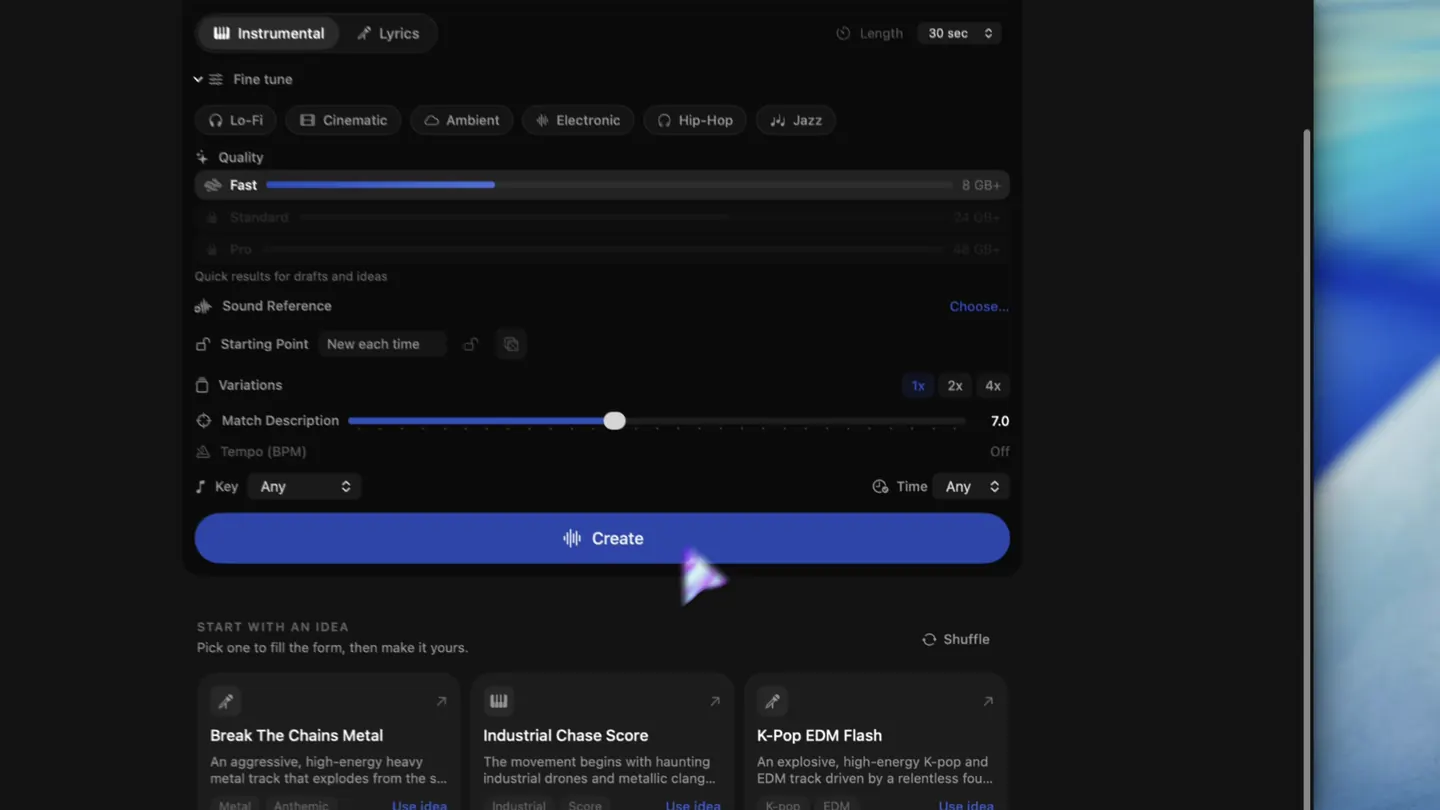
On a Mac, LoopMaker can generate instrumental sketches and beds from public domain sheet music or MIDI. Generation runs locally after setup, so your new recording is not tied to any label's copyright. Export as WAV or M4A, then upload to YouTube with fewer worries. This is often faster than searching for a verifiable, claim-free public domain recording. Always keep notes on your process in case of future questions about the source.
- Generate new versions of public domain works with AI tools
- Avoid label claims with your own recording
- Document your process for peace of mind
Frequently asked questions
Is classical music public domain on YouTube?
The notes of many classical pieces are public domain, but most recordings are not. A Beethoven symphony written in 1808 is public domain, but a recording from 2010 or even 1960 is likely still protected. YouTube focuses on recording rights, rather than just compositions. To use classical music without claims, either find pre-1923 recordings from a reputable archive or generate your own version. Always verify both composition and recording before uploading.
Can I monetize videos using public domain music?
You can monetize videos using public domain music, but only if you are sure both the composition and the recording are public domain. YouTube's Content ID system may still flag your track if someone claims the recording. Disputes can take time. For reliable monetization, use your own recording of a public domain piece or source from trusted archives with clear documentation. Always check YouTube's latest rules and policies before uploading.
Why did I get a claim on a public domain song?
Claims often happen because you used a recording that is still under copyright, even if the song itself is public domain. Remastered versions, reissues, or modern performances are protected. YouTube's system checks for recording rights, rather than only the composition. Sometimes, claims are made in error or due to mislabeled uploads. Always document your source and be ready to provide evidence if you need to dispute a claim.
Can I record or generate my own version of a public domain work?
Yes, you can record or generate your own version of a public domain composition. This is the safest approach for YouTube uploads. Use live instruments, MIDI, or AI tools like LoopMaker on your Mac. Make sure the underlying composition is truly public domain. Your own recording is less likely to trigger a claim, but keep documentation of your process and source material for future reference or in case of a dispute.
Sources and testing notes
- U.S. Copyright Office: Music and copyright — Primary-source explanation that compositions and recordings are separate works.
- Copyright Office public-domain FAQ — Copyright Office material for checking whether an older work is truly public domain.
- YouTube copyright basics — First-party explanation of claims, strikes, and permitted uses.
- Creative Commons Attribution 4.0 — Primary license page for attribution-based reuse.
- LoopMaker product pages and current guardrails — checked September 26, 2026. This entry describes practical starting points, not guaranteed output or rights.
Create with fewer copyright worries
Use LoopMaker to generate your own public domain recordings on your Mac. Avoid label claims, save time searching, and document your workflow for peace of mind. Check details on the product site.