Creator workflow
Music for Podcast Intro: Make Every Second Count
Your podcast intro theme has three seconds to make an impression. Use tight specs for length, tempo, and hooks. Keep your intro and outro in the same musical family for a professional sound.

Tarun YadavPublished September 25, 2026 · 5 min read · Search intent: informational
The short answer
The best podcast intro music makes your show recognizable almost instantly. Focus on a short, catchy hook, clear tempo, and a strong ending. Export a longer music bed and a stinger version to use for both intro and outro. Keep both cues musically related for a consistent brand. Know your license, especially if you use AI-generated or free tracks.
Your podcast theme music has a single job: signal to your listeners that it is your show and nobody else's. It should be instantly recognizable, even if the listener skips ahead. The average attention span is short. That means your intro music needs to do its work in three seconds or less, then get out of the way. Focus on a clear, memorable hook and a strong, simple sound that stands out.
Most successful podcast intros are short-typically five to fifteen seconds. The music bed sets the mood, and the stinger marks the handoff to your voice or content. People will hear this cue every time they press play, so brevity matters. Length, tempo, and the fade-out are practical specs to set in your brief. Tie your outro to your intro by reusing the same hook or motif, making your show sound more polished.
Three seconds to be recognizable
Your intro needs a musical hook that grabs attention in the first three seconds. Listeners rarely wait for a long build. Start with your strongest motif. Use a simple melody or rhythmic accent that stands out even at low volume. A memorable intro does not require complexity; it requires clarity and punch. Give your brief a clear reference to avoid wasting time in revisions.
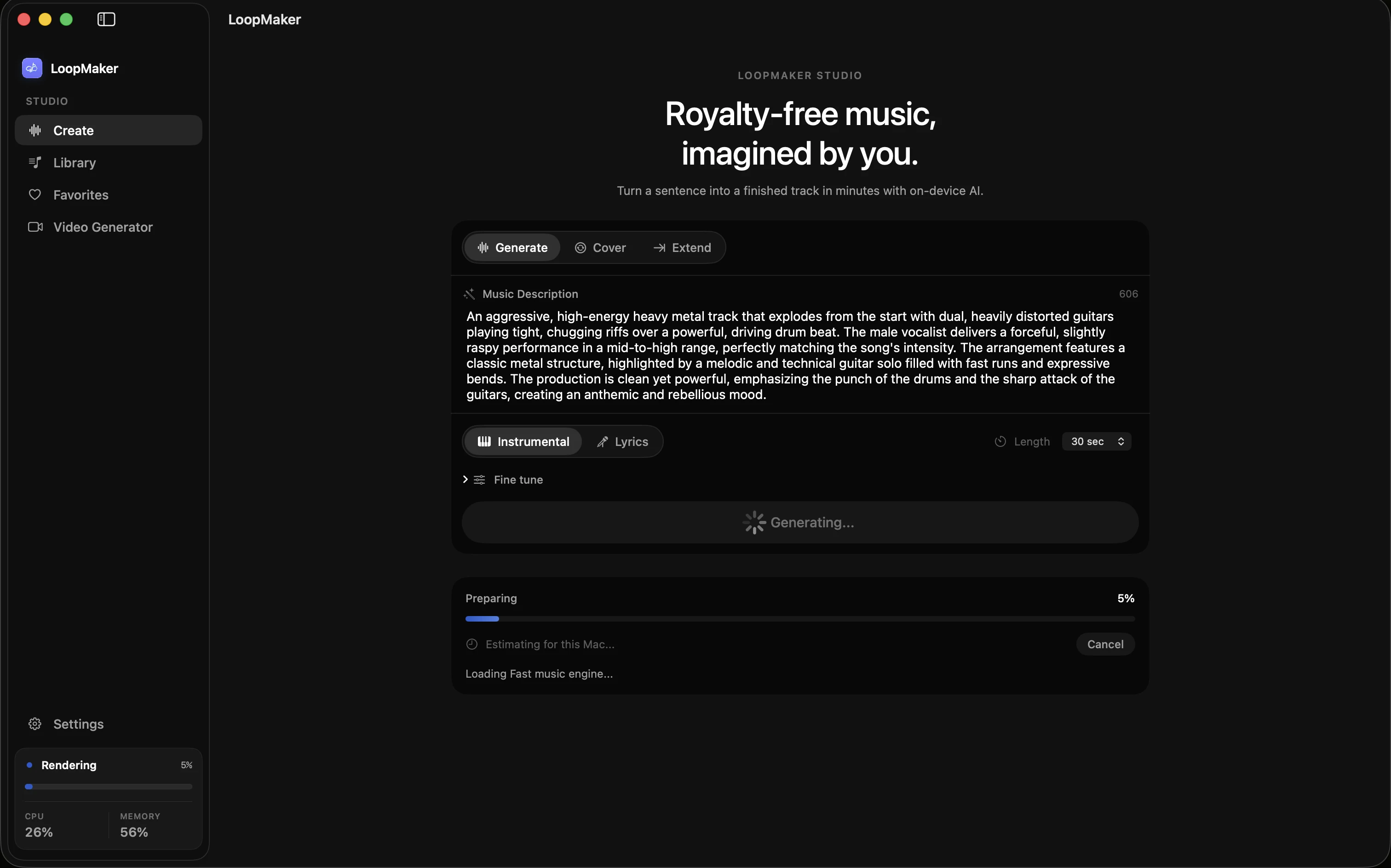
Test your theme by playing only the first three seconds for a friend. If they recognize it by show or genre, you have done your job. If not, try a shorter, sharper hook and reduce the sound layers. Many successful podcasts use just a single instrument or a strong beat. LoopMaker can generate brief, focused cues without filler, which saves editing time on Mac.
- Start with a clear motif
- Limit to one or two instruments
- Test with three-second clips
Length, tempo, and music for podcast intro fade-out job
The ideal podcast intro is brief-between five and fifteen seconds. This fits most show formats and keeps the focus on your voice. Choose a tempo that matches your show's energy. Energetic podcasts often use 110-130 BPM, while conversational shows might prefer 80-100 BPM. End with a fade, hit, or stinger to cue the host. If you have 24 GB or more RAM, you can use Standard or lyrics models for more options. Avoid abrupt stops or long fades that compete with your first words.
Export two versions from the same session: a music bed and a stinger. The bed can run slightly longer, useful for intros or transitions where you talk over the music. The stinger is a short tag-usually two to four seconds-to signal the end of the segment or the outro. Keeping both cues in the same tempo and style saves time and gives your show a unified sound.
- Keep intro under 15 seconds
- Match tempo to show style
- Export bed and stinger versions
Keep intro and outro in the same family
Intro and outro cues that share a motif, tempo, or instrumentation sound intentional. Listeners notice when the outro feels like an afterthought. Use the same musical signature for both, even if you change the arrangement. For example, strip the intro down for the outro or swap instruments while keeping the hook. This small step helps your show sound more professional and easier to recall.
LoopMaker and other AI tools can help you generate related beds and stingers quickly. If you create an intro with a synth hook, try exporting a piano version for the outro. Keep the same tempo and chord progression to reinforce your brand. Consistency helps your show stay recognizable, even when listeners skip around. Save your session so you can tweak future edits or create bonus content.
- Use the same motif for both
- Change arrangement, not melody
- Keep tempo consistent
Licensing an intro theme you can keep
Licensing matters. If you generate your own music with a local tool like LoopMaker, you avoid ongoing subscription fees and library license limits. As of June 2024, LoopMaker is a one-time $49 purchase for Apple Silicon Macs (see product site for updates). If you use free library tracks, check the license for commercial podcast use and attribution rules.
Some free "intro music" or "podcast jingle" tracks require credit or have restrictions on editing and monetization. AI tools can generate custom music, but you do not own the output outright-check license terms for allowed uses. Always export and archive your bed and stinger; if your license changes or the tool is discontinued, you still have files for your show.
- Verify license for podcasts
- Save bed and stinger exports
- Archive session for future edits
Frequently asked questions
How long should podcast intro music be?
Most podcast intro music should be between five and fifteen seconds. Shorter intros-closer to five seconds-are better for shows with frequent returning listeners. Longer intros up to fifteen seconds work for shows that set a mood or introduce new listeners. Use a stinger for quick transitions and keep your main theme tight.
Should podcast intro and outro match?
Yes, matching your intro and outro cues gives your podcast a consistent sound. Use the same motif or instrumentation for both, even if you change the arrangement. This helps listeners recognize your show and makes transitions feel intentional. You can export both from the same session or brief, saving production time and keeping your brand strong.
Can I use free music for a podcast intro?
You can use free music for a podcast intro, but always check the license. Some free tracks require attribution, limit commercial use, or restrict editing. Read the terms on the library site before publishing. If you use AI-generated or royalty-free tracks, make sure the license covers podcast distribution, especially if you monetize your show or use the music in ads.
Can I generate a custom podcast theme with AI?
Yes, you can use AI tools to generate a custom podcast theme. LoopMaker runs locally on Apple Silicon Macs and lets you craft unique beds and stingers. Many cloud services offer vocal and instrumental themes as well. Always check the licensing terms for your output. For intros and outros, focus on a memorable hook, not a full-length song.
Sources and testing notes
- Creative Commons Attribution 4.0 — Primary license page for attribution-based reuse.
- Creative Commons Attribution-NonCommercial 4.0 — Primary license page showing the noncommercial condition.
- LoopMaker BPM tapper — Browser-side tempo check that pairs with prompt and edit work.
- LoopMaker product page — Current pricing, Apple-silicon guidance, and export formats.
- LoopMaker product pages and current guardrails — checked September 25, 2026. This entry describes practical starting points, not guaranteed output or rights.
Try a three-second test
Play your draft intro for a friend and see if they recognize your show in three seconds. If not, shorten your hook or make the motif clearer. Export both a bed and a stinger to cover intro and outro needs.